Panama City First-Day Plan: Metro First, Casco Snacks, Canal Later
Panama City is easier when the first day has one clean airport move, one walkable old-city food anchor, and one Panama Canal plan saved for a rested block instead of a heroic arrival-day sprint. Use Tocumen and Metro choices deliberately, make Casco Antiguo the snack-and-wander anchor, then let the canal moment happen when the timing is not rushed.
Quick take
Use this as a practical starting point, not a polished brochure. The goal is simple: where to go, what to try, what to skip, and what kind of traveler will actually care.
Why Panama City needs one clean first move
Panama City is exactly the kind of place where a first day can get overbuilt in five minutes. There is a skyline, an old city, the canal, rooftops, seafood, causeway views, possible island side quests, and one person already saying “we can probably squeeze in Miraflores” while everybody still has airport shoulders.
The better Here We Go move is boring first, delicious second, iconic later. Solve the arrival move, make Casco Antiguo the first walkable food-and-history anchor, and save the canal visit for a block when the group is rested enough to understand what it is looking at.
Start with Tocumen and the city-transfer decision
Tourism Panama describes Tocumen International Airport as roughly 40 minutes from downtown and says it receives direct flights from more than 80 destinations in the Americas and other provinces in the country. That makes Panama City a useful gateway, but it does not make the first transfer automatic. Decide before landing whether the group is using Metro, taxi, ride-share, hotel transfer, or a prearranged pickup.
The airport's current Tocumen site also frames transportation as a dedicated getting-around decision, with airport links for taxi, MetroBus, shuttle bus, Metro, parking, and car rental. Translation: this is not the moment to improvise with a tired group and a bag pile.
- If the hotel is close to a Metro-friendly path, check the route before the flight, including the final walk or taxi hop.
- If arrival is late, bags are huge, or rain is in the forecast, pay for the lower-drama transfer. Transit purity is not the vacation.
- If the canal or Amador Causeway is the same day, do not stack it before the luggage disappears. Panama City rewards pacing.
Use Metro when it genuinely simplifies the day
Metro de Panamá's Line 2 page describes the eastern corridor route and lists stations including San Miguelito, Corredor Sur, Las Mañanitas, Altos de Tocumen, Nuevo Tocumen, ITSE, and Aeropuerto, with the airport access branch called out in its guide materials. For visitors, the takeaway is practical, not heroic: Metro can be useful when the station geography matches the stay, but it is not a personality test.
Tourism Panama also says getting around the city is relatively easy, with digital transportation platforms, buses, and the subway line available. That is the planning sweet spot: use rail or bus when it reduces uncertainty, use a car when it prevents a first-day luggage comedy, and keep enough cash/backup flexibility for the local transit pieces that need it.
Make Casco Antiguo the first real anchor
Tourism Panama's Casco Antiguo guide describes El Casco as a UNESCO World Heritage Site that opened in 1673 after settlers moved from the older city attacked by pirates. It also calls out the neighborhood's plazas, colonial architecture, restaurants, specialty cafes, craft breweries, rooftops, nightlife, and the fact that parking is scarce, making it better to explore on foot.
That is why Casco works as a first-day anchor. It gives the group a compact walk, history, views, drinks, snacks, and enough personality for Kevin and Chad-style side quests without forcing a giant city loop.
- Start with one plaza or waterfront edge, then let the neighborhood unfold instead of chasing every building.
- Pick one food lane: seafood, café, rooftop drink, casual Panamanian plate, or dessert. Do not turn day one into a restaurant tournament.
- Use taxis or ride-share at the edge, then walk inside the old city. Dragging bags through pretty streets is still dragging bags.
Save the canal for a cleaner window
The Panama Canal is the obvious icon, but obvious does not mean “jam it between airport and dinner.” If Miraflores, the canal visitor center, or a canal-view experience is a priority, give it a real block with current hours, traffic time, and enough attention to enjoy it. A rushed canal stop can become the most impressive thing nobody remembers clearly.
The calmer version is simple: Casco for arrival day, canal for the next morning or a deliberate afternoon, and Amador Causeway or a seafood stop when the timing fits. That keeps the guide practical while leaving room for the 30% chaos that makes Here We Go feel like Kevin and Chad instead of a tourism brochure.
First-day shape
- Morning or early afternoon arrival: transfer, drop bags, Casco walk, one food stop, optional rooftop or waterfront view.
- Late afternoon arrival: transfer, check in, Casco dinner/drink block only. Save the canal.
- Long layover or stopover: run the clock conservatively before leaving the airport. Immigration, traffic, heat, rain, and return security all count.
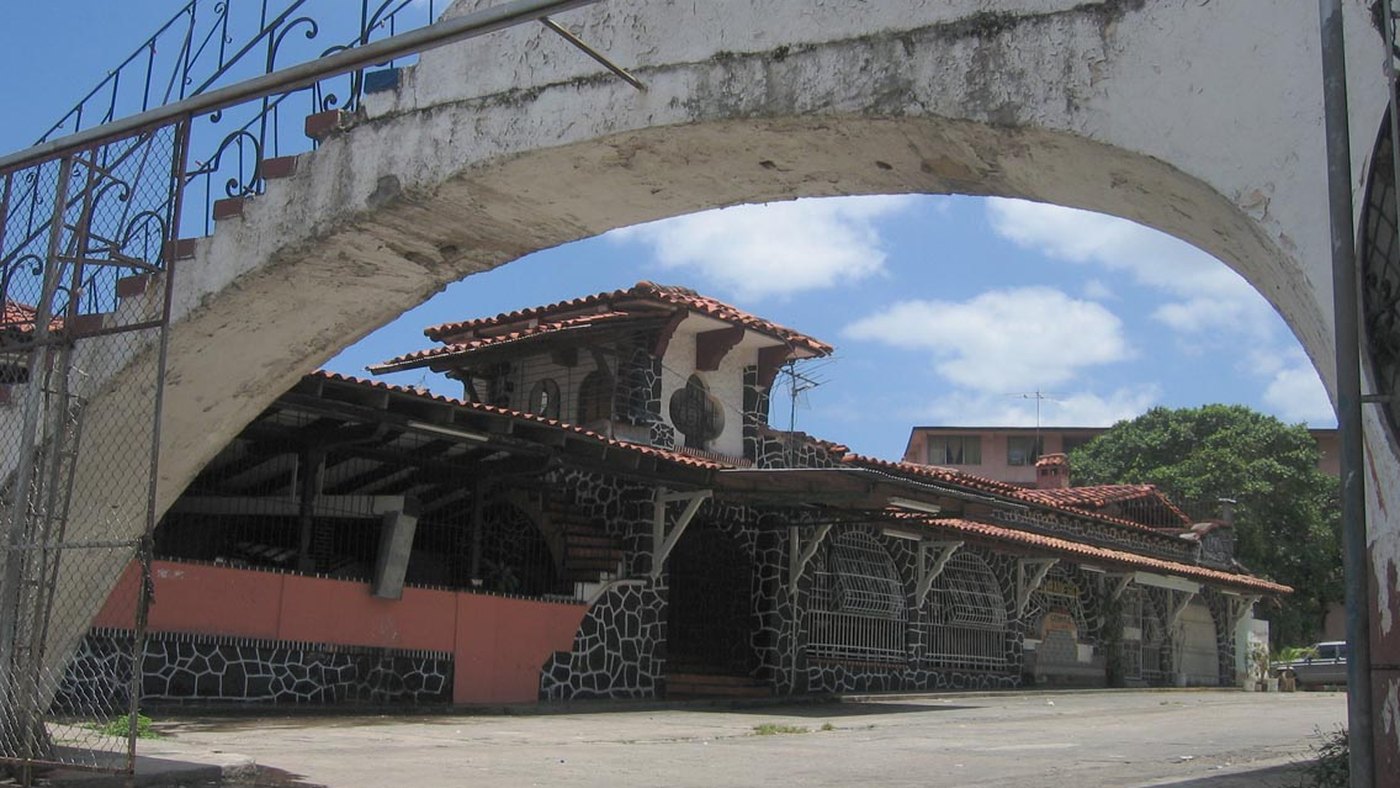
Source checks: Tourism Panama's Panama City and Casco Antiguo pages; Metro de Panamá Line 2 information; Tocumen International Airport transportation guidance. Hero image: Wikimedia Commons, “Gateway west of Casco Viejo, Panama City,” CC BY-SA 3.0, cropped and resized locally.
Related videos





Good to know before you go
- Check current hours before building a day around one stop.
- Use the videos for the vibe, then verify prices and logistics before you go.
- If you only have one meal or one afternoon, start with the places that match your neighborhood and energy level.