Washington, DC Museum-and-Metro Weekend: Free Smithsonian First, Food After
Washington, DC works best when the first plan is not a motorcade of impossible museum stops. Use Metro to get close, pick one or two free Smithsonian anchors, walk the National Mall when the light is kind, then let food neighborhoods carry the evening.
Quick take
Use this as a practical starting point, not a polished brochure. The goal is simple: where to go, what to try, what to skip, and what kind of traveler will actually care.
Why DC works better with one museum lane
Washington, DC is one of the easiest U.S. weekends to overbuild. The map makes everything look walkable, the museum list looks free, the monuments look close, and then the group discovers that marble, security lines, humidity, school groups, and tired feet are all real travel forces.
The useful Here We Go move is to make the day smaller on purpose. Use Metro to get close, choose one or two Smithsonian anchors, walk the National Mall when the light is good, and save the food opinions for a neighborhood that actually deserves dinner energy.
Start with Metro, not a parking fantasy
WMATA's current fare page lists Metrorail one-way full fares from $2.25 to $6.75 and local bus one-way full fare at $2.25. It also points travelers toward contactless payment, SmarTrip, and reduced-fare programs. That gives a visitor one clean first decision: if the weekend is mostly National Mall, Penn Quarter, Capitol Hill, Dupont, U Street, Shaw, Navy Yard, or Union Market, price Metro and walking before defaulting to a car.
Parking near the Mall can turn a free museum day into a small emotional invoice. Metro will not solve every late-night or far-neighborhood move, but it can keep the arrival boring in the best way.
- If the hotel is near a station, make Metro the default first move.
- If the group has kids or tired knees, use shorter museum blocks and one rideshare save instead of pretending everyone wants an endurance march.
- If dinner is outside the Mall, pick the food neighborhood before the afternoon crash. That is how you avoid wandering into the closest sad sandwich.
Use the free Smithsonian advantage without abusing it
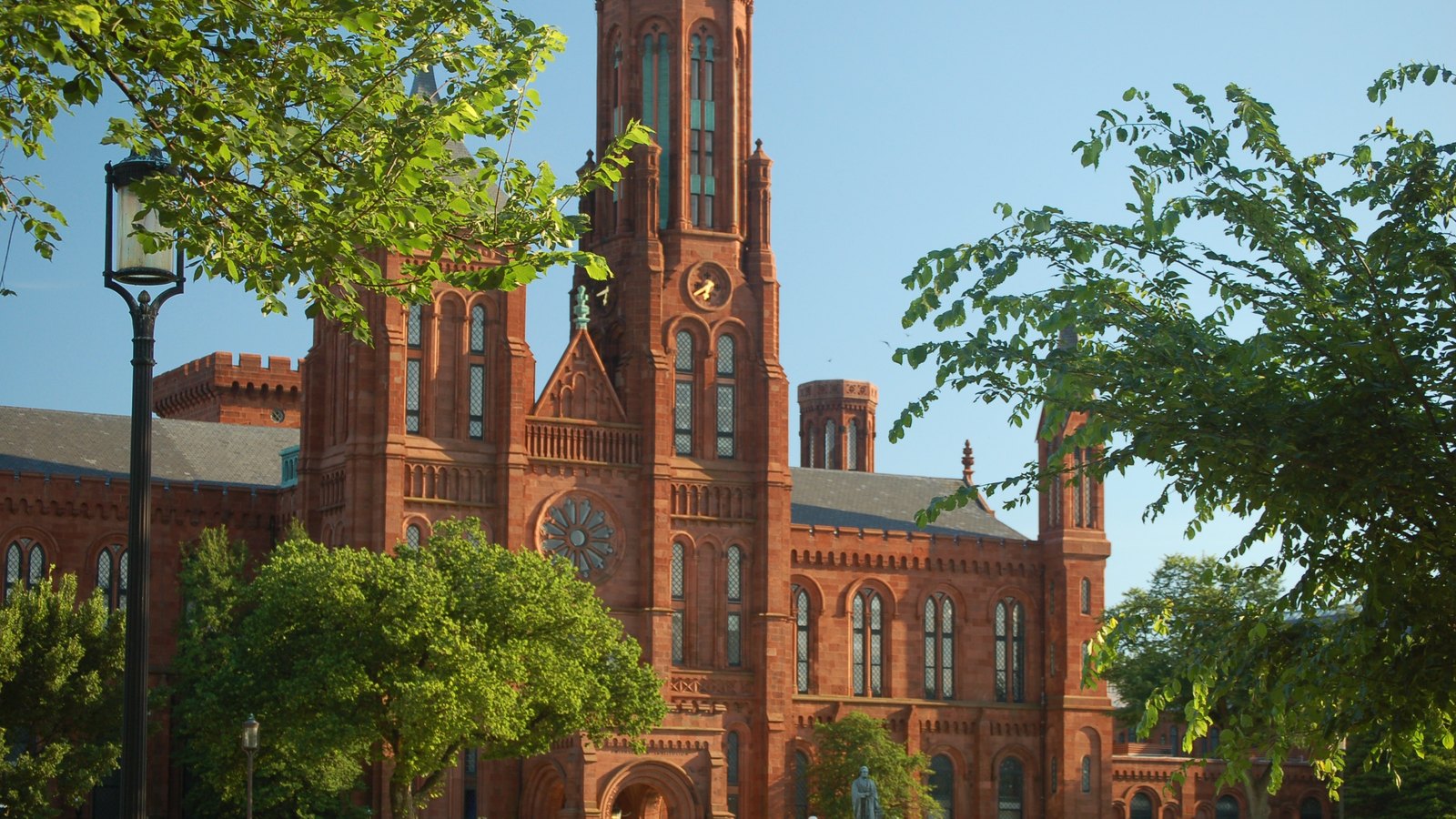
Destination DC describes the Smithsonian Institution as a world-renowned museum and research complex with 17 museums, galleries, and a zoo, and notes that admission is free at every Smithsonian museum. That is incredible for travelers. It is also exactly why people try to cram five museums into one day and remember none of them.
Pick the museum by mood, not obligation. Air and Space is for flight and space brains. Natural History is for dinosaurs, gems, and family-friendly wonder. American History is for the big national-story sweep. African American History and Culture deserves time and emotional room, not a rushed leftover slot. The National Portrait Gallery and American Art Museum can be a strong Penn Quarter pairing when the weather is acting dramatic.
The smarter rule: one major museum before lunch, one flexible second stop after, and no guilt if the second stop becomes coffee, shade, or a monument walk instead.
Walk the National Mall like a person, not a brochure drone
The National Park Service calls the National Mall America's Front Yard and says National Mall and Memorial Parks protects the Mall, iconic monuments and memorials, and more than 1,000 acres of greenspace in Washington, DC. NPS also says the parks are open 24 hours a day, with early evening and morning hours especially beautiful and tranquil times to visit.
That is the timing clue. Midday is useful for museums. Morning and early evening are better for the open-air memorials, long views, photos, and the kind of walk where Kevin and Chad would absolutely start a serious conversation and end up arguing about snacks.
- Morning: Lincoln Memorial, Reflecting Pool, Vietnam Veterans Memorial, or the Washington Monument area before the hardest heat and crowds.
- Midday: museum block, lunch, or an indoor reset.
- Early evening: return to the Mall when the light softens and the itinerary stops acting like a spreadsheet.
Let food move off the Mall
The National Mall is the emotional center of the trip, but it is not always the best place to solve dinner. Destination DC's restaurant guide points travelers toward neighborhood dining, budget-friendly bites, hot restaurants, rooftop bars, Black-owned restaurants and bars, breweries, distilleries, wineries, patio dining, and areas such as Adams Morgan, Capitol Hill, Dupont Circle, H Street NE, Navy Yard, Penn Quarter/Chinatown, Shaw, The Wharf, U Street, and Union Market.
Translation: choose the food lane before the group is museum-tired. Penn Quarter can work after museums. The Wharf works when waterfront energy matters. Union Market is good for group-choice chaos. U Street or Shaw can turn dinner into the night plan. Adams Morgan is the classic move when the day needs more personality than polish.
The easy two-day shape
- Day one: Metro in, one Smithsonian anchor, easy lunch, one more museum or Penn Quarter/National Mall walk, then a food neighborhood for dinner.
- Day two: memorials early, brunch or market-style food, one deeper museum or neighborhood block, and enough room for a side quest that was allegedly Kevin and Chad's plan all along.
- Do not overprove the trip. DC rewards curiosity. It punishes travelers who treat free admission as a challenge to collect every building.
The win is simple: spend the budget on food and the energy on what you actually care about. Let Metro and the free museums make the trip easier, not bigger.
Related videos





Good to know before you go
- Check current hours before building a day around one stop.
- Use the videos for the vibe, then verify prices and logistics before you go.
- If you only have one meal or one afternoon, start with the places that match your neighborhood and energy level.